
Staying safe on the road is one of the top priorities for drivers, manufacturers, and regulators alike. Over the past decade, automotive safety technology has taken major strides, equipping new vehicles with advanced systems that were once reserved for high-end models. Whether you’re commuting to work or planning a long road trip, having a car equipped with these life-preserving innovations can make a huge difference.
In this article, we highlight the top car safety technologies that are transforming the driving experience and contributing significantly to accident prevention and occupant protection.
Automatic Emergency Braking (AEB)

Automatic Emergency Braking is quickly becoming a standard feature in newer vehicles, and for good reason. This technology detects an imminent collision with another vehicle, pedestrian, or obstacle and applies the brakes without driver intervention. AEB works by using radar, cameras, or both to monitor traffic conditions ahead. By reacting faster than most humans could during a surprise event, AEB significantly lowers the chances of rear-end collisions and has been credited with reducing accidents in various real-world studies. While it’s not a guaranteed safety, it provides an extra protection in critical moments when split-second decisions matter.
Blind Spot Detection
Merging and lane-switching are high-risk maneuvers, especially when a vehicle is sitting just outside the driver’s peripheral vision. Blind spot monitoring technology detects cars in adjacent lanes and alerts the driver with visual or audible warnings—often via a small indicator on the side mirror. This system adds an extra set of “digital eyes” where human ones can’t easily reach. Although it doesn’t replace checking mirrors or shoulder glances, it greatly enhances the driver’s situational awareness and reduces sideswipe accidents.
Lane Keeping Assist and lane departure warning
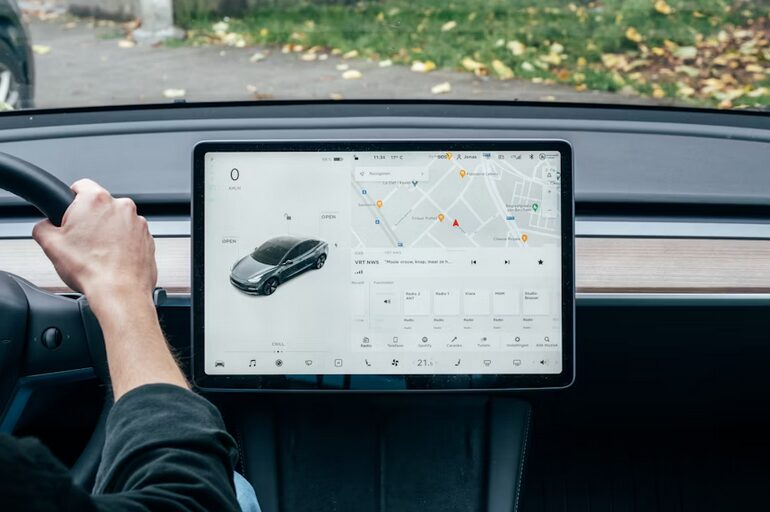
Drifting out of a lane—especially on highways—is a common contributor to accidents. That’s where lane departure warning systems come into play. These features notify drivers if the car begins to veer off its lane unintentionally. Lane keeping assist take it further by gently steering the vehicle back to the center of the lane if the system senses no corrective input from the driver. These tools are particularly helpful during long-distance travel, when fatigue can impair concentration. They help maintain proper lane discipline and offer peace of mind during routine or extended drives.
Adaptive Cruise Control
Cruise control has been a popular car feature for decades, but adaptive cruise control (ACC) elevates it significantly. This advanced feature adjusts the vehicle speed automatically to maintain a safe following distance from the car ahead. If traffic slows, ACC will reduce speed; once the path clears, it resumes the preset pace. This function is incredibly helpful in both highway and stop-and-go traffic. It reduces driver fatigue and smooths the overall driving experience, while also helping to maintain consistent spacing between vehicles—minimizing the risk of sudden braking and rear-end collisions.
Rear Cross-Traffic Alert and Backup Cameras
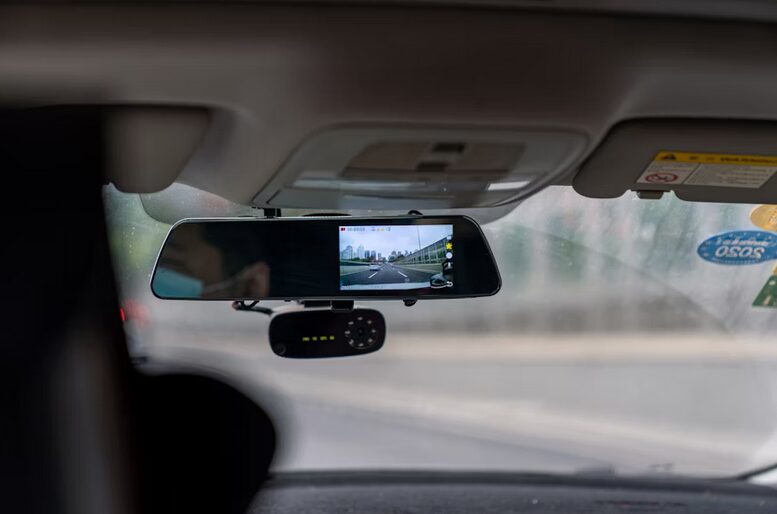
Backing out of a tight parking space has its hazards—especially in busy lots where children or moving vehicles can come from either side. Rear cross-traffic alert systems utilize sensors to detect approaching traffic from the left or right and warn the driver to stop. Backup cameras, now mandated in many countries, offer a clear visual of what’s behind the vehicle. Together, these tools help drivers avoid objects, pedestrians, or moving cars when reversing, significantly cutting down on minor but costly accidents.
Safety technologies have become a crucial selling point for new cars—and for good reason. Features like automatic braking, blind spot detection, and adaptive cruise control offer more than just convenience; they actively work to reduce the likelihood and severity of accidents. As automakers continue to refine and expand these technologies, the roads are becoming a little safer for everyone—drivers, passengers, and pedestrians alike. While no technology can replace alertness behind the wheel, these tools act as an extra set of sensors and responses that support safe driving behavior.…